Origins of the Paliwal Brahmins
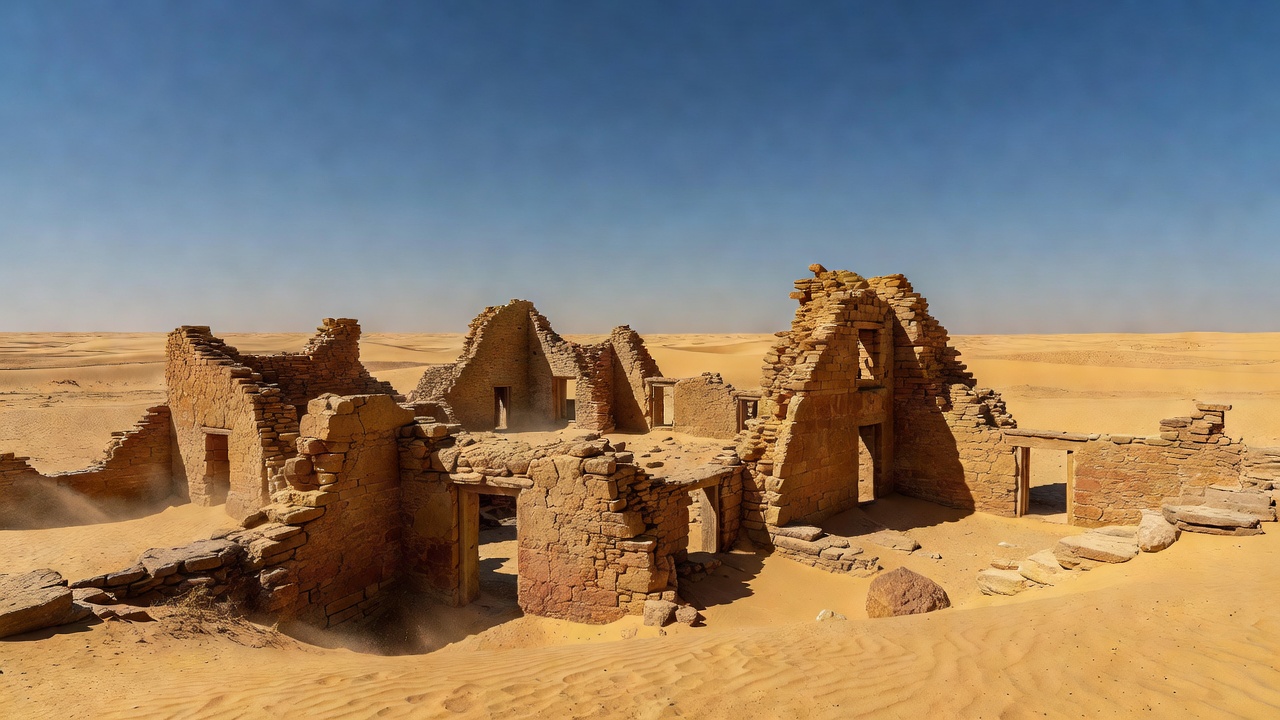
Located 18 kilometers southwest of Jaisalmer, Kuldhara was established around 1291 AD by the Paliwal Brahmins, a prosperous clan of agrarian traders skilled in arid agriculture and advanced groundwater collection systems. Over five centuries, Kuldhara grew into a central township controlling 84 surrounding agricultural settlements.
The Exodus of 1825
Historical documentation records that in 1825, the entire population of Kuldhara and its 84 satellite hamlets completely vanished overnight. According to traditional records, Salim Singh, the tyrannical prime minister of the Jaisalmer state, levied exorbitant taxes and threatened to forcibly take the village chief's daughter. To preserve their community honor, the elders decided to abandon their ancestral homesteads en masse under cover of darkness.
"Legend holds that before departing, the villagers laid a curse upon the land, decreeing that no individual would ever settle or inhabit Kuldhara again."
Urban Planning & Hydraulic Engineering
Architectural surveys reveal that Kuldhara was constructed using precision urban planning principles. Grid-style straight streets oriented north-to-south maximized wind airflow for natural cooling. Homes featured step-wells (baolis), subterranean grain silos, and courtyard designs engineered specifically for extreme desert temperatures.